As I look back from the vantage point of 2026, it's fascinating to remember the whirlwind that was the launch of Wuthering Waves. I was one of the countless players who boarded the hype train, my expectations soaring high for Kuro Games' new open-world action RPG. The anticipation was palpable, fueled by stunning trailers and the promise of a deep, fluid combat system. I remember the exact date, May 22, 2024, when the gates to this new world finally opened. The initial rush was incredible, but my personal experience, like that of many others, was a turbulent mix of awe and frustration.
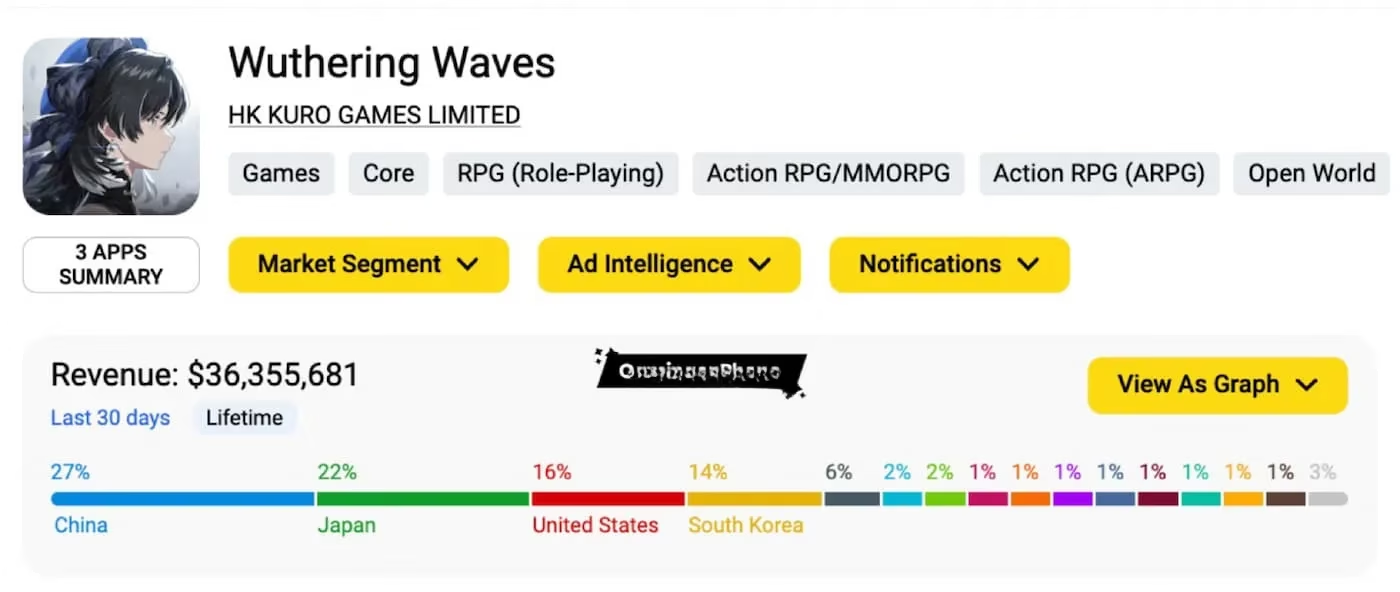
The numbers, however, told a story of undeniable success against the odds. Within less than a month of its global debut, Wuthering Waves achieved a staggering milestone: 30 million downloads worldwide. This figure, as confirmed by the developers, combined both mobile and PC platforms. On the financial front, the game generated an impressive $36 million in revenue from mobile users alone, according to data from AppMagic. This financial triumph was a clear testament to the massive player base and the underlying demand for a high-quality action RPG on mobile.

My own launch day was far from smooth. I had hoped for a polished, optimized experience, but instead, I was greeted with a host of technical issues. The launcher would sometimes refuse to open, or I'd face unexpected crashes when trying to access the game. The performance on my device was inconsistent, with frame rate drops marring the otherwise beautiful vistas. It was a letdown, and the online communities were buzzing with similar reports. We were all trying to troubleshoot, sharing guides on how to fix common bugs, clinging to the hope that the core game underneath was worth the struggle.
Despite these early disappointments, the game's commercial performance was undeniably strong. Analyzing the revenue distribution was particularly insightful. China led the charge as the top market, contributing a substantial 27% share, which translated to roughly $9.7 million. Japan followed closely with 22%, while the United States and South Korea accounted for 16% and 14% respectively. This global spread showed the game's broad appeal across major gaming markets.
The game was immediately positioned as a potential rival to established titles like Genshin Impact, but its rocky start certainly tempered that momentum. Yet, there was always a sense of potential. The combat, when it worked, felt dynamic and rewarding. The world design had a distinct, melancholic beauty. And the promise of future content kept many of us, including myself, logging in daily. The steady climb in downloads and revenue post-launch was a promising sign that players were willing to stick around and see how the game evolved.
Kuro Games' response was crucial. They acknowledged the issues and communicated their plans for improvement. The community's eyes then turned to the future, specifically the Version 1.1 update. Leaks and official previews began to surface, showcasing stunning new characters like Jinhsi and Changli. Their designs were breathtaking, and the previews of their combat animations hinted at the fluid, stylish action we all craved. This upcoming content became a beacon of hope, a signal that the developers were committed to enhancing the experience.

As a player navigating that early period, my feelings were complex. On one hand, I was frustrated by the technical shortcomings that hindered my immersion. On the other hand, I was captivated by the glimpses of brilliance—the epic boss fights, the intriguing echo system, and the depth of the combat mechanics. The game was topping charts, but the question on everyone's mind was about sustainability. Could Kuro Games turn the situation around and deliver on the initial promise?
Looking back now, that period was a foundational chapter. The $36 million in early revenue and the 30 million-strong player base provided a solid foundation, but it was clear that long-term success hinged on consistent optimization and meaningful content updates. The focus needed to shift from celebrating launch numbers to refining the day-to-day player experience. For me, and for many others, we stayed because we believed in the core vision. We weathered the bugs, shared beginner tips on rerolling and astrite farming, debated tier lists, and eagerly awaited every new patch note, hoping for the fixes and features that would unlock the game's true potential. The journey of Wuthering Waves, from its turbulent launch to its evolving state, remains a compelling case study in player patience, developer responsiveness, and the relentless pursuit of quality in the live-service gaming landscape.